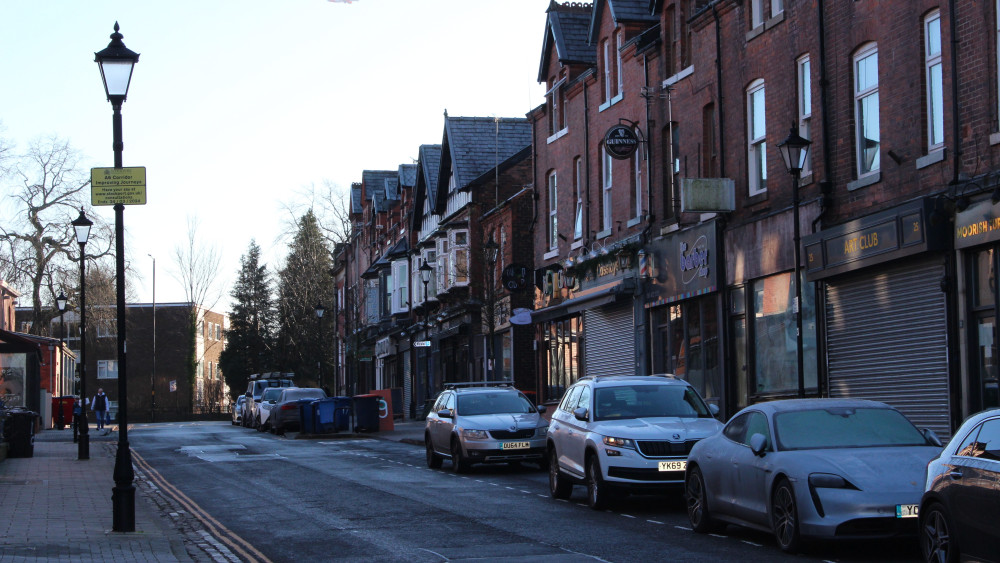

Which Stockport postcodes are seeing the fastest price growth?
Our friends and sponsors at Julian Wadden present a breakdown of the Stockpot property market, postcode by postcode
By Nub News guest writer 20th Feb 2026
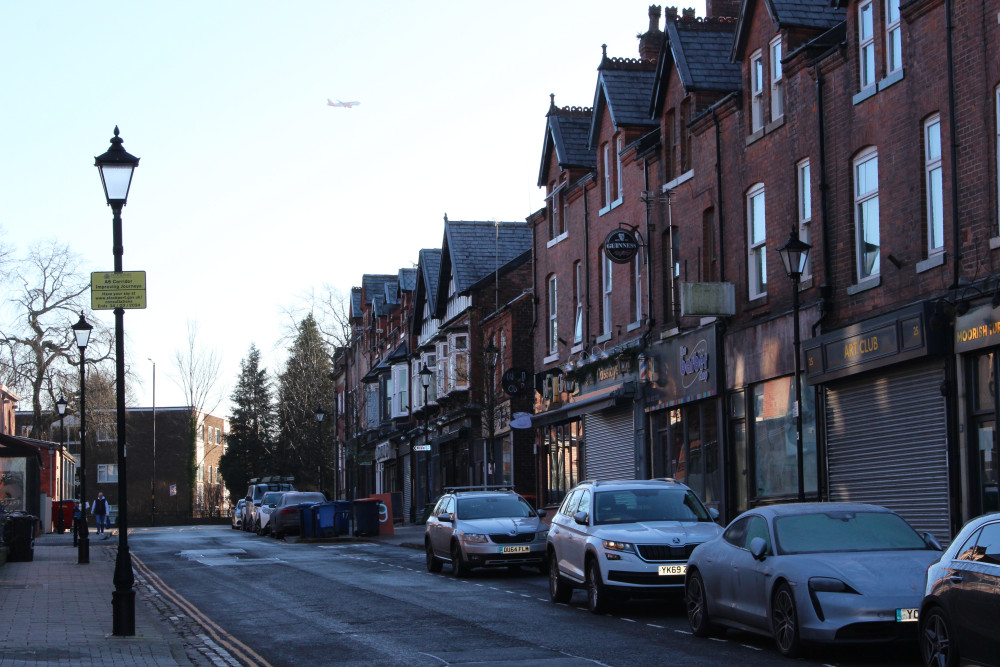
Our friends and sponsors at Julian Wadden present a breakdown of the Stockpot property market, postcode by postcode.
The property market in and around Stockport has never been uniform.
While headlines often talk about "average house prices," the real story is happening at postcode level.
Some areas are quietly outperforming others, driven by regeneration, buyer demand, and shifting affordability pressures. For buyers, sellers and investors alike, understanding which postcodes are seeing the fastest price growth can reveal where opportunity — and competition — is strongest.
Why postcode-level growth matters
Price growth isn't just about bragging rights. It signals changing demand patterns.
Fast-growing postcodes typically share a few traits:
- Improving transport links
- Strong appeal to first-time buyers
- Regeneration or infrastructure investment
- Relative affordability compared to neighbouring areas
In Stockport, these forces are reshaping several key postcode districts.
SK1: town centre momentum
SK1, covering Stockport town centre and surrounding streets, has been one of the most closely watched postcodes in recent years.
Ongoing regeneration, improved public spaces, and growing interest in town-centre living have shifted buyer perceptions. Areas within walking distance of the station are particularly attractive to commuters and young professionals.
Price growth in SK1 has been driven by:
- Increased demand for well-located terraces and apartments
- Investor interest in rental demand
- Buyers priced out of more expensive suburbs
While SK1 still offers entry-level opportunities, the gap between renovated, move-in-ready homes and those needing work has widened significantly.
SK2: Affordable Family Territory
SK2 covers a broad and varied area, including parts popular with first-time buyers and young families seeking more space without stretching into premium price brackets.
Growth in SK2 has been steady rather than explosive, but certain pockets are outperforming thanks to:
- Good access to schools
- Practical transport links
- Larger housing stock compared to central areas
Buyers moving from Manchester or more expensive Stockport suburbs often see SK2 as a compromise that balances affordability and liveability — a key driver of sustained price increases.
SK3: Overspill Demand and Accessibility
SK3 has increasingly benefited from overspill demand from neighbouring areas. Buyers who might once have focused exclusively on central Stockport or South Manchester are now considering SK3 as a practical alternative.
Its appeal lies in:
- Competitive pricing relative to nearby districts
- Strong commuter accessibility
- A mix of traditional terraces and family housing
As affordability becomes a bigger factor for many buyers, SK3 has seen heightened interest from first-time purchasers and investors alike. This growing pool of demand has supported consistent upward pressure on prices, particularly for well-presented starter homes.
SK5: First-Time Buyer Hotspot
SK5 has emerged as one of the most active entry-level markets in the borough. Its relative affordability compared to southern Stockport postcodes continues to attract buyers taking their first step onto the ladder.
Key drivers of growth in SK5 include:
- Strong value for money compared to neighbouring areas
- Reliable rental demand
- Improving buyer perception
Competition for realistically priced homes can be intense, especially for two- and three-bedroom properties. As more buyers search for attainable options within commuting distance of Manchester, SK5 continues to benefit from sustained demand.
SK7: Premium Stability with Selective Growth
SK7, which includes more established and higher-value neighbourhoods, operates differently from the entry-level markets.
Here, price growth tends to be more selective. Family homes in desirable school catchments and quiet residential streets continue to command strong premiums. However, because prices already sit at a higher baseline, percentage growth can appear slower even when absolute increases are significant.
In SK7, the fastest growth is typically seen in:
- Well-presented family homes
- Properties near transport links
- Houses offering extension or improvement potential
Demand remains resilient, particularly from upsizers planning long-term moves.
The role of first-time buyers
Across all fast-growing postcodes, one consistent factor is the influence of first-time buyers.
As affordability pressures push buyers to look beyond traditional hotspots, areas that offer realistic entry points see increased competition. This demand creates upward pressure on prices, especially for two- and three-bedroom homes.
Postcodes that attract strong first-time buyer activity often experience faster turnover and more consistent growth than purely investor-led markets.
Micro-markets within postcodes
It's important to recognise that even within a single postcode, performance can vary dramatically.
Street-by-street differences — such as proximity to green space, main roads, or popular schools — can create mini markets that outperform their neighbours. A well-located street in a slower-growing postcode may see stronger appreciation than an average street in a "hot" one.
This is why headline postcode growth figures only tell part of the story.
What this means for buyers and sellers
For buyers, fast-growing postcodes present both opportunity and competition. Entering an improving area early can deliver strong long-term value, but it requires decisive action and realistic expectations.
For sellers, being in a growth postcode doesn't guarantee a premium. Condition, presentation, and pricing strategy still play a decisive role in achieving the best result.
In a market where buyers are more selective, standout properties continue to outperform averages.
Final thoughts
Stockport's fastest-growing postcodes reflect a broader shift toward affordability, connectivity, and lifestyle-driven buying decisions. Areas like SK1, SK3 and SK5 are benefiting from changing perceptions and buyer priorities, while SK2 and SK7 demonstrate the continued strength of practical family markets and established suburbs.
For anyone navigating the Stockport property scene, postcode trends are a useful guide — but the real opportunities lie in understanding the finer details behind the numbers.
In today's market, success comes from combining postcode awareness with hyper-local insight.
Share: