
How regeneration around Stockport Interchange is changing the property market
Here's how Stockport Interchange and the regeneration around it have effected the property market
By Nub News guest writer 5th Feb 2026
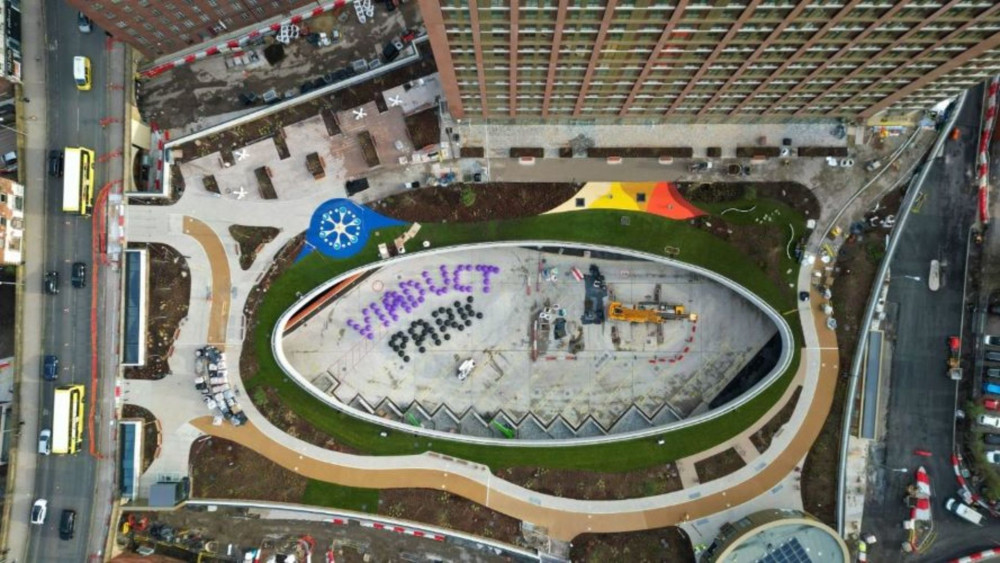
For decades, Stockport Interchange was seen largely as a place you passed through rather than a place you wanted to live near.
That perception is changing, and fast.
The large-scale regeneration around Stockport Interchange is not just transforming how the town centre looks and functions; it's reshaping the local property market and influencing where buyers, renters and investors are focusing their attention.
Local property experts Julian Wadden share their insight.
From transport hub to destination
The redevelopment of Stockport Interchange has been about far more than improving transport links. The wider vision has been to reconnect the town centre, create new public spaces, and encourage people to live, work and spend time in the area.
Key changes include:
- New residential developments
- Improved pedestrian routes linking the station to the town centre
- Public squares, green space and amenities
- Better integration between rail, bus and active travel
This shift from purely functional infrastructure to lifestyle-led development has had a noticeable impact on buyer sentiment.
Changing perceptions drive demand
One of the most significant effects of regeneration is psychological. Areas once dismissed by buyers are now being reconsidered.
Properties within walking distance of the interchange and station are increasingly attractive to:
- Manchester commuters
- First-time buyers priced out of South Manchester
- Renters seeking convenience without city-centre prices
As perceptions improve, demand follows — often before price data fully reflects the change.
Price growth isn't even
Not every property near the interchange benefits equally. Regeneration tends to create micro hot spots, rather than blanket price increases.
Homes that are: within easy walking distance of the station; close to new public spaces or amenities; and well-presented and energy efficient; are all seeing stronger interest than those that simply share a postcode.
This has widened the gap between well-located, high-quality homes and those that need significant work, particularly in parts of SK1 and Edgeley.
Who is buying near the Interchange?
The buyer profile around Stockport Interchange has evolved noticeably.
Common buyers now include:
- Young professionals commuting to Manchester or beyond
- Downsizers wanting convenience and amenities nearby
- Investors targeting long-term rental demand
These buyers are less focused on garden size and more interested in walkability, transport access and lifestyle. A shift that benefits town-centre-adjacent locations.
The rental market effect
Regeneration has had an even more immediate impact on the rental market.
Improved transport connectivity and town-centre appeal have increased demand for:
- Modern apartments
- Smaller terraced homes
- Properties close to the station
Rents in well-located areas have risen as demand continues to outstrip supply, particularly from renters who work in Manchester but prefer Stockport's relative affordability and character.
For landlords, this has reinforced the interchange area as a long-term hold rather than a short-term yield play.
Opportunities (and risks) for buyers
For buyers, regeneration presents opportunity, but not without risk.
Buying early in an improving area can deliver strong long-term value, but success depends on:
- Choosing the right street, not just the right postcode
- Understanding what development is still to come
- Balancing potential upside with current liveability
Some homes are priced optimistically based on future promise rather than current reality, making due diligence essential.
What this means for sellers
For sellers near Stockport Interchange, regeneration can be a significant advantage, but only if marketed correctly.
Buyers respond well to:
- Clear walking distances to the station
- Lifestyle benefits, not just transport convenience
- Evidence of recent improvements and future plans
However, regeneration does not eliminate the need for realistic pricing. Homes that rely solely on "location hype" without condition or presentation to match still struggle.
A longer-term shift, not a short-term spike
Perhaps the most important point is that the interchange regeneration is driving structural change, not a temporary price surge.
Improved infrastructure, housing supply, and town-centre appeal support long-term demand. This makes areas around the interchange more resilient to wider market fluctuations than they were in the past.
Final thoughts
Regeneration around Stockport Interchange is quietly but decisively changing the local property market. It's attracting new types of buyers, strengthening rental demand, and altering long-held perceptions of town-centre living.
For those who understand the nuances (street by street, property by property) this change presents genuine opportunity. But as with all regeneration-led markets, local knowledge matters more than ever.
In Stockport, it's no longer just about where the station is — it's about what's growing up around it.
Share: