
Stockport man to make unsupported solo trek across Antarctica to the South Pole (and back)
By Alasdair Perry 11th Oct 2026
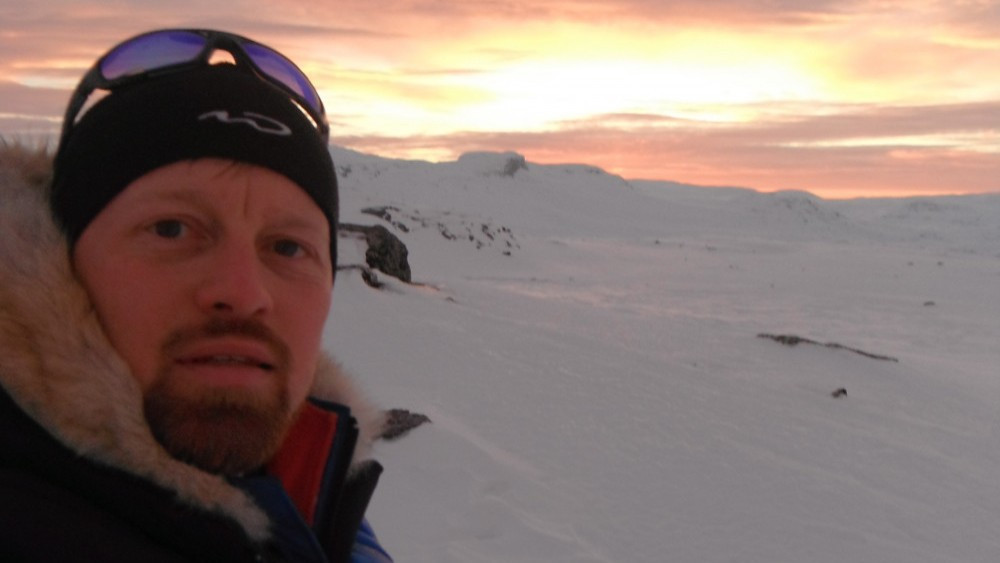
A brave explorer from Stockport is looking to be among the first unsupported travellers to the South Pole and back.
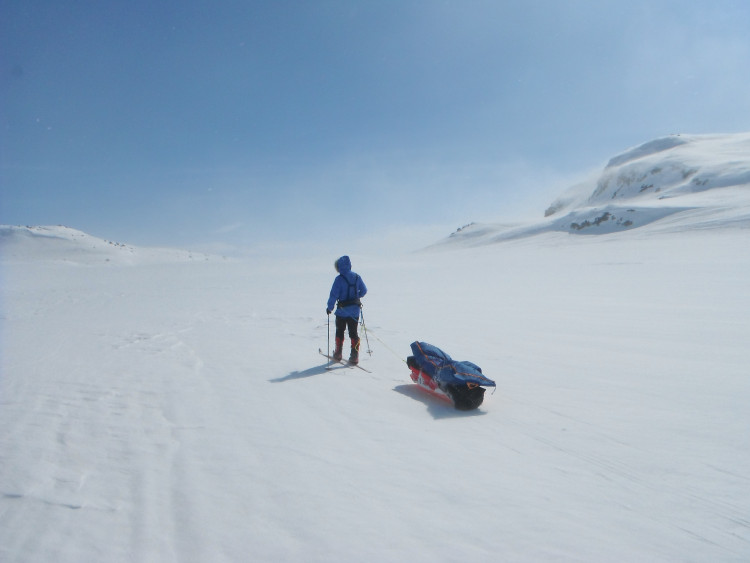
Stopfordian Nathan Lumb will be walking 1,000 kilometres on the Antarctic ice, alone, hauling a 100kg sledge in temperatures as low as -40°C.
He'll be raising money to support The King's Trust, and he will also collect climate data for a STEM outreach programme.
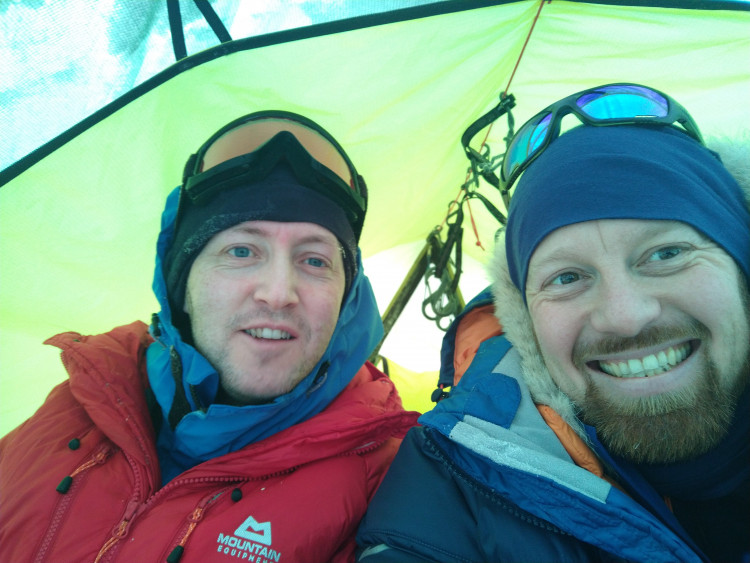
Nathan originally planned to take on the expedition - dubbed Frozen Horizons - with a co-explorer, Dr Darren Slevin, who has since sadly pulled out of the expedition.
But after six years of planning, Nathan himself is unwilling to abandon the expedition and will now take it on entirely alone.
He'll be making the expedition without any external help - he'll be pulling all his own equipment, and he won't be counting on any other kind of transport to and from the pole.
Only three others have made such a journey before - Australian duo Cas and Jonesy, along with Aleksander Gamme, completed a similar expedition in 2012.
It means that Nathan will be the first British Isles expeditionist to make the round trip unsupported.
Download our Nub News App!
- It’s FREE and available now- Breaking news notifications
- Your Town in Your Pocket


And there's good reason why there are few others; the return South Pole trip will comprise well over 1,000km of skiing, through the brutally inhospitable Antarctic climate. When Cas, Jonesy and Gamme made the same journey in 2012, they dealt with hallucinations, frostbite, and hunger.
Faced with such a daunting challenge, Nathan explained that the most important factor in the trip was psychological.
"It's definitely really physical. But 90 percent of it is in the mind", he explained.
"It's monotonous, white, and you're spending all day on the skis. So it's important to get used to that.
"You don't want to get too worked up, you don't want to burn too many calories.
"But I enjoy the quiet and the solitude of it."
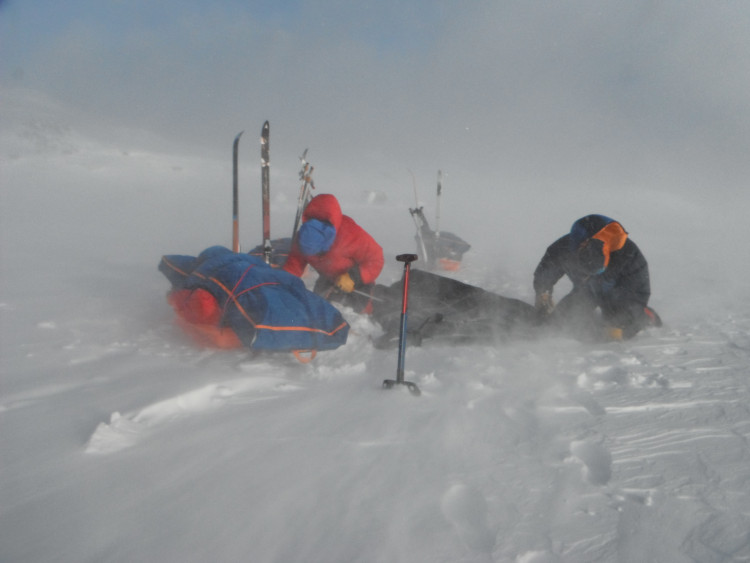
In preparation, Nathan has made many trips to Norway and the Arctic, where he has practiced long-distance skiing (pulling tyres while doing so to simulate pulling a sled), as well as things like tent-setting.

The idea for the return South Pole journey itself came in lockdown 2020, Nathan explains.
Having met on an Arctic expedition in 2019, Nathan and his former co-explorer Darren quickly became friends and kept in touch throughout the pandemic years. Inspired by other South Pole explorers, and by the urge to get out exploring again post-lockdown, they settled on the idea of a South Pole trip with a 'shared dream'.
The expedition is particularly inspired by the legacy of Captain Robert Falcon Scott, who tried to make the same trip in 1912. While Scott and his team made it to the pole, their return journey was plagued by bitter cold, hunger, exhaustion, and failing health. They sadly perished on the Ross Ice Shelf, just 12 miles from their nearest food depot.
Nathan said the expedition is not just about achieving a milestone, but also about honouring the legacy of Scott and his team, and finishing their journey.
As he says, their trip is "modern in its planning, but historic in its spirit".
The plan is to set out in November 2026. All equipment will be towed on sleds, and will be gradually shed as Nathan gets nearer the pole. That shedded equipment will be placed strategically so it can be accessed on the way back - food depots, for example.

It's a truly remarkable plan. And it's sure to be of crucial importance not just to science, exploration, and Britain, but particularly to Stockport.
"Stockport has already produced a few famous people", Nathan said. "Phil Foden, Angela Rayner, Aimee Lou Wood.
"I'm not saying I'm up there with those people, but it would be nice to claim another bit of history for the town."
Also involved in the project is Falcon Scott - patron of the expedition and the only grandson of Antarctic explorer Captain Robert Scott. He's also the son of naturalist Peter Scott.
Meanwhile, Dr. Ulyana Horodyskyj Peña is the scientific lead for the expedition. She's a glaciologist with extensive experience in science communication.
You can find more information about the Frozen Horizons expedition - and offer support - on their website here.
Download our Nub News App:
- It’s FREE and available now
- Breaking news notifications
- Your Town in Your Pocket



Share: