What to Look for When Buying a Cherry Picker for Your Fleet
Understanding Your Fleet Requirements
When evaluating your requirements, consider the typical working heights your team encounters, the environments in which the machine will operate, and the frequency of use. Some businesses require equipment for indoor maintenance projects, while others need robust machines capable of handling challenging outdoor conditions. Understanding your operational needs from the outset helps ensure you select Access Platform Sales cherry pickers that offer the right combination of performance, versatility, and cost-effectiveness.
Choosing the Right Working Height
One of the most important factors when buying a cherry picker is selecting the appropriate working height. Purchasing equipment with insufficient reach can limit productivity, while investing in a machine with excessive height capabilities may result in unnecessary costs.
Working height requirements should be based on the maximum elevation employees regularly need to access. It is worth remembering that working height differs from platform height, with working height typically calculated by adding approximately two metres to the platform height. Careful consideration of your project requirements will help prevent underutilisation or operational limitations.
Businesses involved in street lighting maintenance, tree work, building inspections, or telecommunications installation often require greater reach than facilities management or warehouse operations. Matching the machine's capabilities to your specific requirements ensures maximum efficiency and return on investment.
Considering Boom Type and Reach
Cherry pickers are available in several different configurations, each designed for specific applications. Understanding the differences between boom types can help you make the right purchasing decision for your fleet.
Telescopic boom lifts provide excellent horizontal outreach, making them ideal for projects where operators need to access difficult-to-reach areas around obstacles. These machines are commonly used in large-scale construction and infrastructure projects.
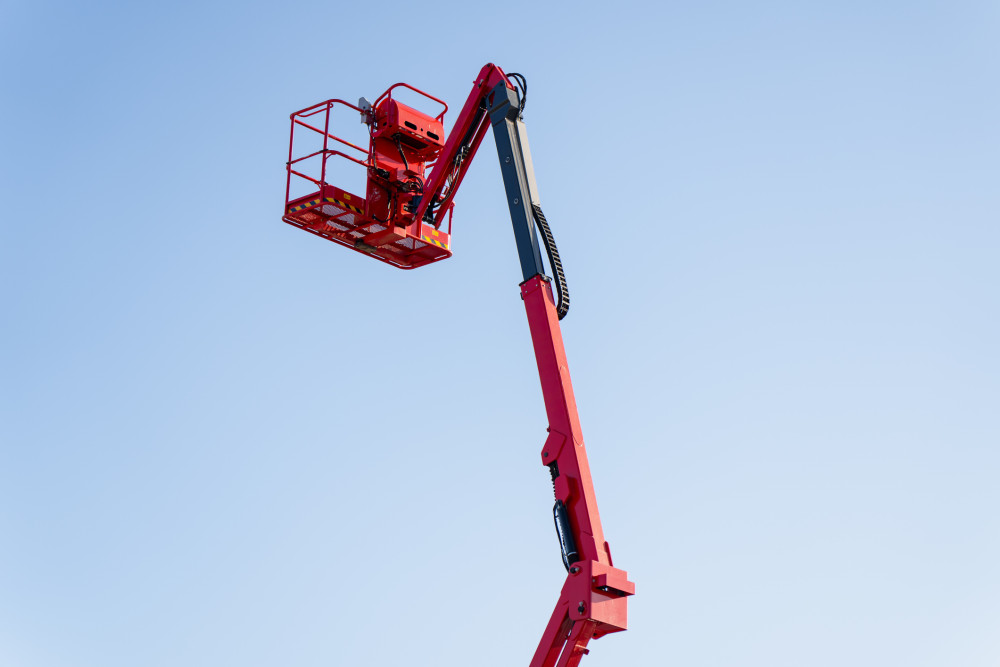
Articulated boom lifts offer increased flexibility thanks to their jointed design. This allows operators to manoeuvre around structures, equipment, and obstacles that would otherwise be inaccessible. Businesses working in facilities management, industrial maintenance, or complex construction sites often benefit from articulated models.
Choosing the correct boom type can improve productivity, reduce operational challenges, and enhance overall workplace efficiency.
Evaluating Indoor and Outdoor Use
The operating environment should heavily influence your purchasing decision. Machines designed primarily for indoor use typically feature electric power systems, non-marking tyres, and compact dimensions that allow them to operate safely within warehouses, shopping centres, and commercial buildings.
Outdoor cherry pickers generally offer greater ground clearance, all-terrain capabilities, and powerful diesel engines designed to cope with rugged conditions. These models often provide superior traction, stability, and performance on uneven surfaces.
Many organisations require a combination of both indoor and outdoor applications. In such cases, hybrid or bi-energy models may provide the versatility needed to maximise utilisation across multiple project types.
Assessing Weight Capacity and Platform Size
Working height is not the only consideration when purchasing a cherry picker. Platform capacity and workspace also play critical roles in determining operational effectiveness.
Different jobs demand varying levels of equipment, tools, and personnel. While a standard platform may comfortably accommodate one operator and essential tools, larger projects may require greater capacity for additional workers or heavier equipment.
Exceeding platform weight limits poses significant safety risks and may violate workplace regulations. Therefore, selecting a machine with adequate lifting capacity ensures operators can work safely and efficiently without compromising performance.
A spacious platform can also improve productivity by allowing workers greater freedom of movement while completing tasks at height.
Prioritising Safety Features
Safety should remain a primary consideration when purchasing any powered access equipment. Modern cherry pickers are equipped with a wide range of safety technologies designed to protect operators and reduce workplace risks.
Features such as tilt sensors, overload protection systems, emergency lowering functions, automatic braking systems, and advanced stability controls can significantly enhance operational safety. These technologies help prevent accidents and ensure compliance with UK health and safety regulations.
Many newer models also offer telematics systems that allow fleet managers to monitor machine performance, operator behaviour, and maintenance requirements remotely. These insights contribute to safer operations and improved equipment management.
Investing in safety-focused machinery not only protects employees but also helps reduce downtime, liability risks, and potential costs associated with workplace incidents.
Considering Power Source Options
The choice between diesel, electric, and hybrid cherry pickers should be based on your operational environment and long-term business goals.
Diesel-powered cherry pickers remain popular for outdoor applications due to their power, durability, and ability to operate on demanding terrain. They are particularly suitable for construction sites, infrastructure projects, and large-scale maintenance work.
Electric cherry pickers have become increasingly attractive for businesses focused on sustainability and indoor operations. These machines produce zero emissions at the point of use, operate quietly, and can help organisations meet environmental objectives.
Hybrid models combine the benefits of both technologies, offering flexibility for businesses that require indoor and outdoor performance while seeking to reduce fuel consumption and emissions.
Evaluating operating costs alongside environmental considerations can help determine the most suitable option for your fleet.
Understanding Maintenance Requirements
The long-term cost of owning a cherry picker extends beyond the initial purchase price. Maintenance requirements can significantly impact the total cost of ownership over the machine's lifespan.
When comparing models, examine service intervals, parts availability, warranty coverage, and manufacturer support. Machines with readily available replacement parts and strong dealer networks often experience less downtime and lower repair costs.
Preventative maintenance plays a crucial role in maintaining performance, extending equipment lifespan, and ensuring compliance with safety regulations. Selecting equipment with reliable service support can minimise operational disruptions and improve overall fleet management.
Businesses should also consider whether internal maintenance teams possess the expertise required to support the chosen machine or whether external servicing contracts may be necessary.
Evaluating Total Cost of Ownership
While purchase price is an important factor, focusing solely on the initial investment can be misleading. A comprehensive assessment should include fuel or energy costs, maintenance expenses, depreciation, insurance, and potential resale value.
Cheaper machines may initially appear attractive but can become more expensive over time if they suffer from reliability issues, increased maintenance requirements, or limited parts availability. Conversely, higher-quality equipment often delivers greater long-term value through improved reliability and reduced downtime.
Calculating the total cost of ownership allows businesses to make informed purchasing decisions that support both operational performance and financial objectives.
A strategic approach to equipment acquisition ensures the chosen cherry picker contributes positively to productivity and profitability for years to come.
Considering Manufacturer Reputation
The quality and reliability of a cherry picker often reflect the reputation of the manufacturer behind it. Established brands have typically invested heavily in engineering, safety innovation, and customer support networks.
Before making a purchase, research manufacturer histories, customer reviews, after-sales support capabilities, and product reliability records. Strong manufacturer support can prove invaluable when sourcing replacement parts, obtaining technical assistance, or managing warranty claims.
Businesses that prioritise reputable manufacturers often benefit from improved machine reliability, stronger residual values, and greater confidence in equipment performance throughout its operational life.
Deciding Between Buying and Platform Hire
For some organisations, purchasing a cherry picker represents an excellent long-term investment. For others, platform hire may provide a more practical and cost-effective solution.
Hiring offers flexibility, allowing businesses to access the latest equipment without substantial upfront capital expenditure. It also eliminates many maintenance, servicing, and storage responsibilities associated with ownership.
Companies with fluctuating project demands often find platform hire particularly beneficial, as it enables them to access the right machine for each specific task. This approach can improve cash flow and ensure access to modern, well-maintained equipment whenever required.
Purchasing is generally most suitable for businesses with consistent usage requirements that justify the ongoing investment in ownership and maintenance.
Making the Right Investment for Long-Term Success
Choosing the right cherry picker for your fleet requires careful evaluation of operational requirements, safety considerations, maintenance obligations, and long-term financial implications. The ideal machine should support productivity, enhance workplace safety, and deliver reliable performance across a wide range of projects.
By assessing working height, outreach capabilities, power source options, platform capacity, and total cost of ownership, businesses can make informed decisions that support both current operations and future growth.
Whether you decide to purchase a cherry picker outright or utilise professional platform hire services, selecting the right equipment is essential for maximising efficiency, reducing downtime, and ensuring safe access to work at height. Taking the time to evaluate all key factors will help ensure your investment delivers lasting value and supports the ongoing success of your organisation.
New stockport Jobs Section Launched!!
Vacancies updated hourly!!
Click here: stockport jobs
Share: